How to choose toddler pajamas
1. Check the safety label
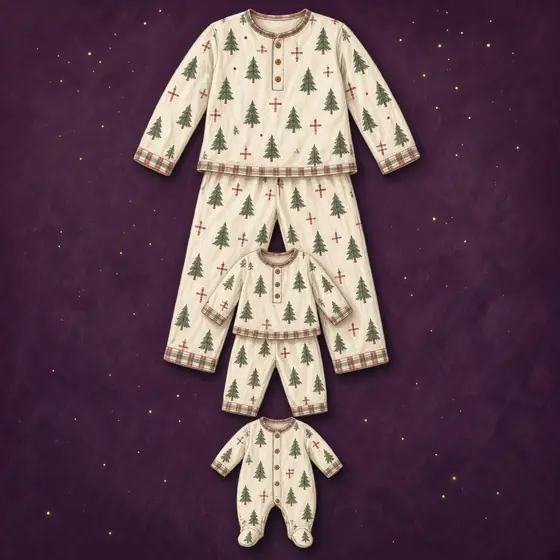
US rules require kids' sleepwear to be either snug fitting or flame resistant. Snug-fit cotton pajamas carry a hang tag that says to wear them snug. Do not size up on snug-fit cotton pajamas, because the close fit is part of the safety design. The Consumer Product Safety Commission explains this on its children's sleepwear page.
2. Match the fabric to your house
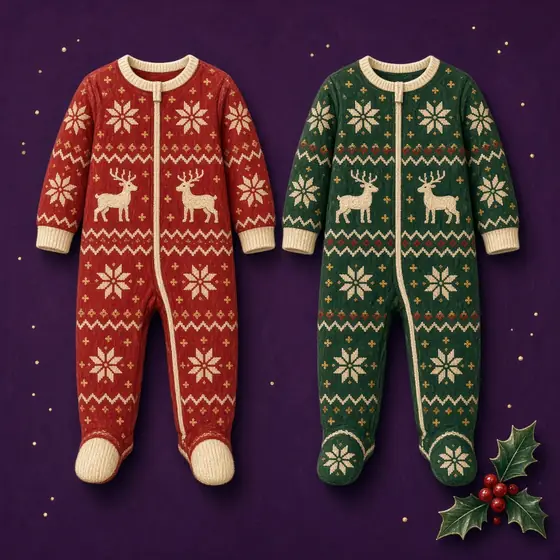
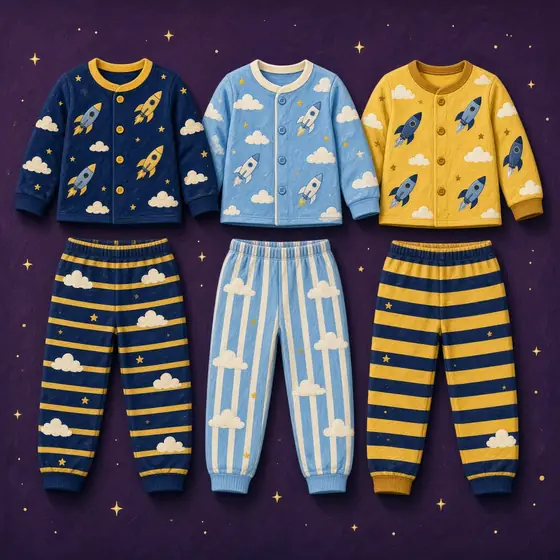
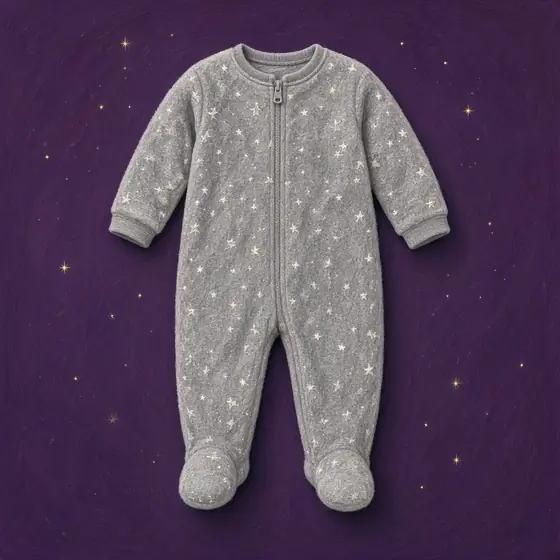
Organic cotton (Burt's Bees Baby, Hanna Andersson) is breathable for warm rooms. Fleece footies (Simple Joys, Gerber) are better for drafty bedrooms and cold Pacific Northwest winters.
3. Buy multipacks for everyday
Two-, three- and six-piece packs make it easy to keep a clean pair ready, which matters during potty training.
Quick answers
Should toddler pajamas be snug or loose?
In the US, children's sleepwear must either fit snugly or be flame resistant. Cotton pajamas labeled snug fitting are designed to fit close to the body, so buy the toddler's true size instead of sizing up. Loose-fitting pajamas should be labeled flame resistant.
How many pairs of pajamas does a toddler need?
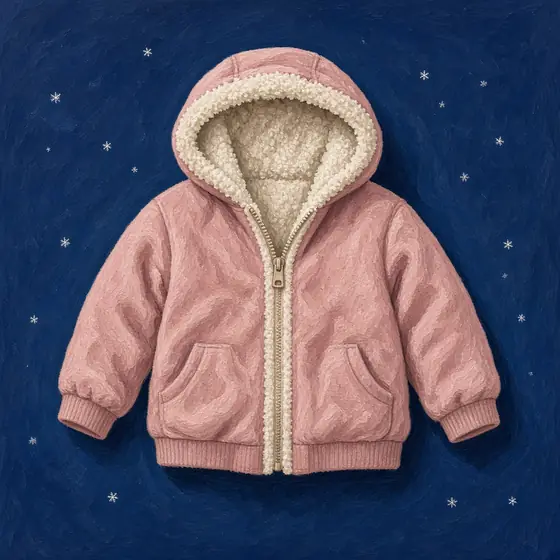
Many families find four to seven pairs works well: one per night between laundry days, plus a spare or two for diaper leaks and potty training accidents.
Footed or footless pajamas for toddlers?
Footed fleece is cozy for cold nights and kids who kick off blankets. Footless pajamas grow with a toddler a little longer and are easier once they are walking to the bathroom at night.